
Sling 2023 - 2024 • Freestream
Sling 2023 - 2024 • Freestream
Sling 2023 - 2024 • Freestream
Free. But make it sticky.
Free.
But make it sticky.
Free. But make it sticky.
How we turned Freestream into a growth engine, scaling users, building habits, and driving long-term value.
How we turned Freestream into a growth engine, scaling users, building habits, and driving long-term value.
How we turned Freestream into a growth engine, scaling users, building habits, and driving long-term value.
80K → 3.5M
80K → 3.5M
monthly avg. user
growth in 1.4 yrs
monthly avg. user
growth in 1.4 yrs
30M+
30M+
monthly hours
watched
monthly
hours watched
4x
increased customer
lifetime value


Product
Sling Freestream
Scope
TV, mobile, and web
Rewards • Mobile Apps
Focus
Free streaming growth
Rewards Spin & Win + Offer Wall
Role
Sr. Product Designer (Freestream)
Impact made
Impact made
3.5M+ users scaled from 80K
3.5M+ users scaled from 80K
4x increase in customer lifetime value
4x increase in customer lifetime value
30M+ monthly hours watched
30M+ monthly hours watched
Sling Freestream experience
Sling Freestream experience
Sling Freestream experience
Come for free. Stay on purpose.
Come for free. Stay on purpose.
Come for free.
Stay on purpose.
Project overview
Sling Freestream is Sling TV’s free streaming experience, built to bring users in through free live channels and on-demand content, then guide them toward deeper engagement over time.
As the sole designer for Freestream, I led the experience across TV, mobile, and web, shaping how users discover content, understand the product, unlock key features, and move toward higher-value actions over time.
The challenge was not just to make free streaming usable. It was to make it clear, compelling, and capable of driving growth across the broader Sling ecosystem.
Project overview
Sling Freestream is Sling TV’s free streaming experience, built to bring users in through free live channels and on-demand content, then guide them toward deeper engagement over time.
As the sole designer for Freestream, I led the experience across TV, mobile, and web, shaping how users discover content, understand the product, unlock key features, and move toward higher-value actions over time.
The challenge was not just to make free streaming usable. It was to make it clear, compelling, and capable of driving growth across the broader Sling ecosystem.
Projects (1.5 yrs)
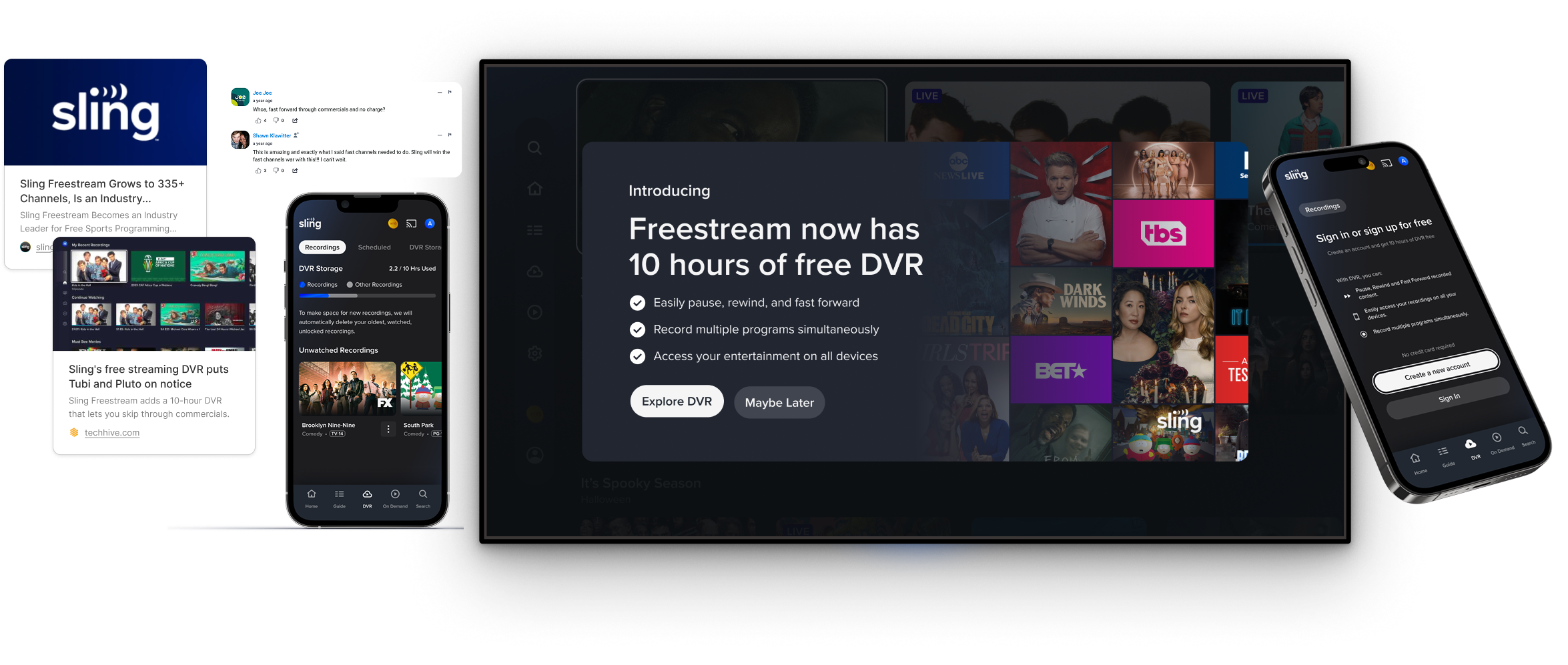
Free 10 hours DVR
Freestream vs. Sling clarity
Feature unlocks
Sign-up and personalization
TVOD purchases
Subscription upsells
Stakeholders
Product
Engineering
Research
Marketing
Leadership
Projects (1.5 yrs)
Free 10 hours DVR
Freestream vs. Sling clarity
Feature unlocks
Sign-up and personalization
TVOD purchases
Subscription upsells
Stakeholders
Product
Engineering
Research
Marketing
Leadership
CONTEXT
CONTEXT
CONTEXT
The door that didn’t explain itself
The door that didn’t explain itself
The door that didn’t explain itself
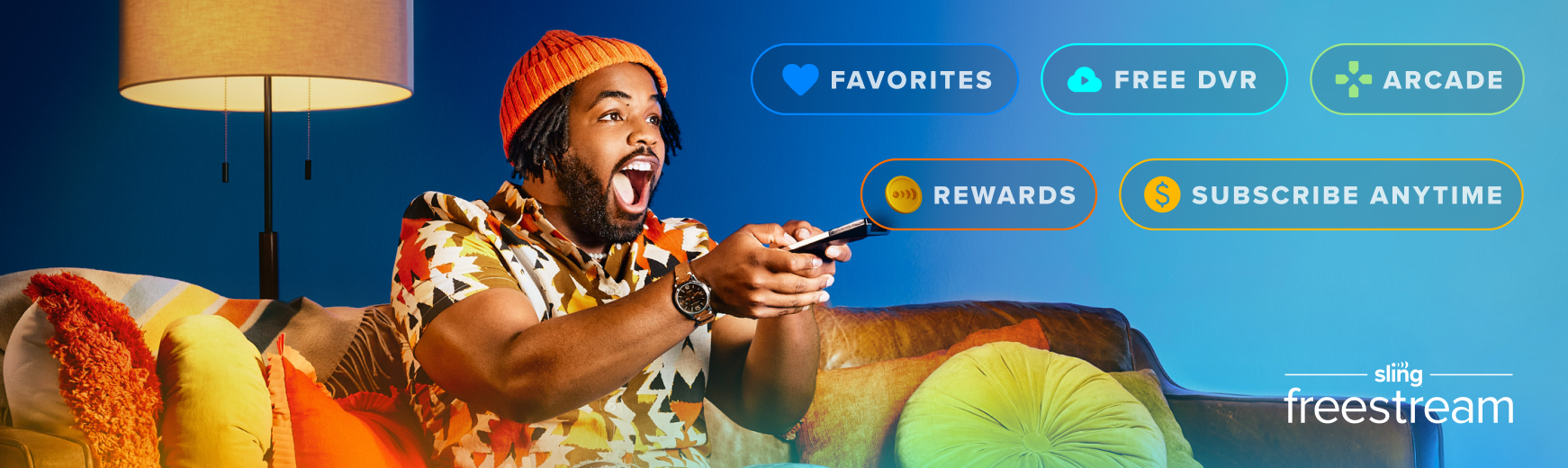
Freestream was not just a free product. It was the front door.
But when I started, that door did not clearly explain where users were entering. People came in, watched a little, and left just as easily. Some never pressed play. Others stayed, but did not really understand what Freestream was, how it differed from Sling, or what they would gain by signing up.
Two brands. One app. A lot of guesswork.
And when users are guessing, they are not converting.
Freestream was not just a free product. It was the front door.
But when I started, that door did not clearly explain where users were entering. People came in, watched a little, and left just as easily. Some never pressed play. Others stayed, but did not really understand what Freestream was, how it differed from Sling, or what they would gain by signing up.
Two brands. One app. A lot of guesswork.
And when users are guessing, they are not converting.
Freestream was not just a free product. It was the front door.
But when I started, that door did not clearly explain where users were entering. People came in, watched a little, and left just as easily. Some never pressed play. Others stayed, but did not really understand what Freestream was, how it differed from Sling, or what they would gain by signing up.
Two brands. One app. A lot of guesswork.
And when users are guessing, they are not converting.
OPPORTUNITY
OPPORTUNITY
OPPORTUNITY
Turn free into a growth system
Turn free into a growth system
Turn free into a growth system
This work sat inside the broader March to 10 Million push, scaling Freestream into a meaningful growth engine.
But for design, the job was simpler and harder at the same time: every interaction had to move the user forward.
Not just engagement. Not just monetization.
Growth, as a system.
That meant designing Freestream to do more than attract attention. It had to teach the product, reveal value at the right moment, and create paths for users to go from browsing to watching, from watching to signing up, and from signing up to spending.
This work sat inside the broader March to 10 Million push, scaling Freestream into a meaningful growth engine.
But for design, the job was simpler and harder at the same time: every interaction had to move the user forward.
Not just engagement. Not just monetization.
Growth, as a system.
That meant designing Freestream to do more than attract attention. It had to teach the product, reveal value at the right moment, and create paths for users to go from browsing to watching, from watching to signing up, and from signing up to spending.
This work sat inside the broader March to 10 Million push, scaling Freestream into a meaningful growth engine.
But for design, the job was simpler and harder at the same time: every interaction had to move the user forward.
Not just engagement. Not just monetization.
Growth, as a system.
That meant designing Freestream to do more than attract attention. It had to teach the product, reveal value at the right moment, and create paths for users to go from browsing to watching, from watching to signing up, and from signing up to spending.
USERS
USERS
USERS
Designing for three mindsets
Designing for three mindsets
Designing for three mindsets
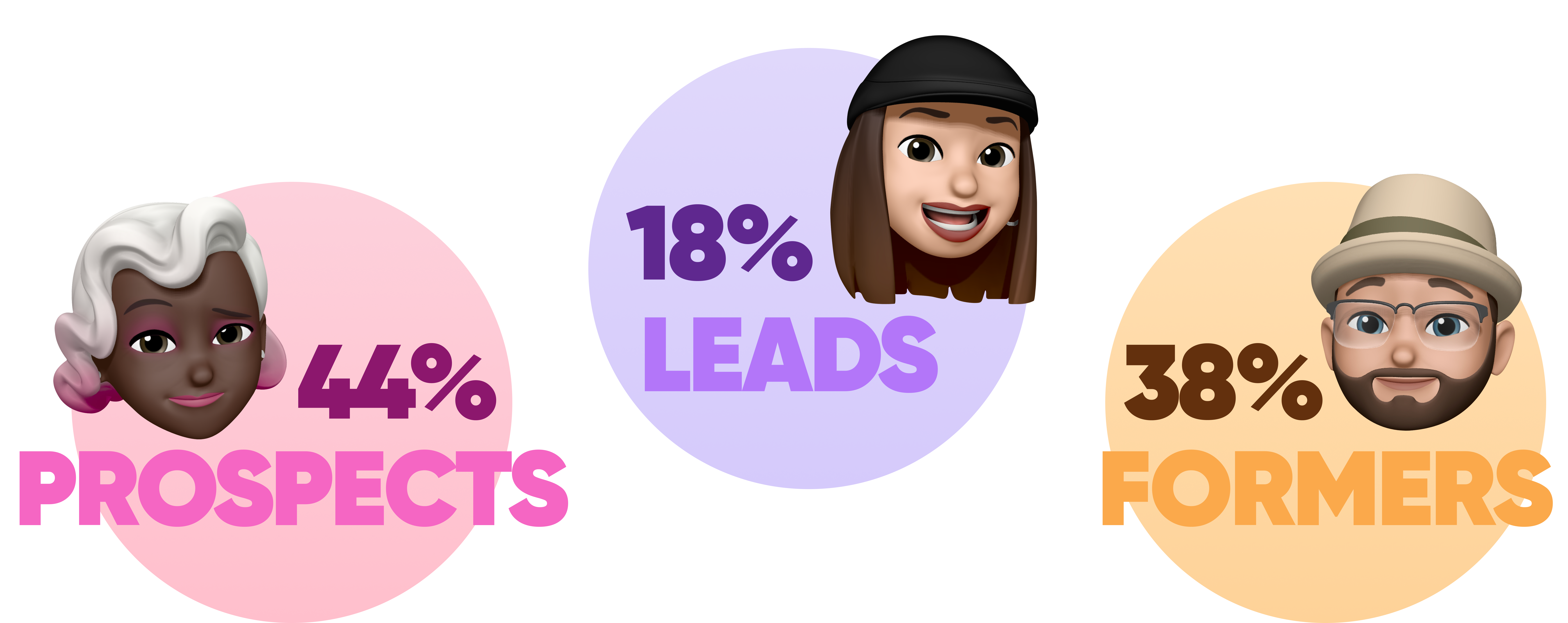
I anchored the experience around three user groups with very different needs:
Prospects, who were just exploring.
Leads, who had signed up but were still free users.
Formers, who had once paid and needed a reason to come back.
Each group entered with a different mindset, level of familiarity, and motivation. Freestream had to support all three without feeling fragmented.
That meant designing one system flexible enough to meet users where they were, while still moving them toward the next best action.
I anchored the experience around three user groups with very different needs:
Prospects, who were just exploring.
Leads, who had signed up but were still free users.
Formers, who had once paid and needed a reason to come back.
Each group entered with a different mindset, level of familiarity, and motivation. Freestream had to support all three without feeling fragmented.
That meant designing one system flexible enough to meet users where they were, while still moving them toward the next best action.
I anchored the experience around three user groups with very different needs:
Prospects, who were just exploring.
Leads, who had signed up but were still free users.
Formers, who had once paid and needed a reason to come back.
Each group entered with a different mindset, level of familiarity, and motivation. Freestream had to support all three without feeling fragmented.
That meant designing one system flexible enough to meet users where they were, while still moving them toward the next best action.
CLARITY
CLARITY
CLARITY
Making the product make sense
Making the product make sense
Making the product make sense
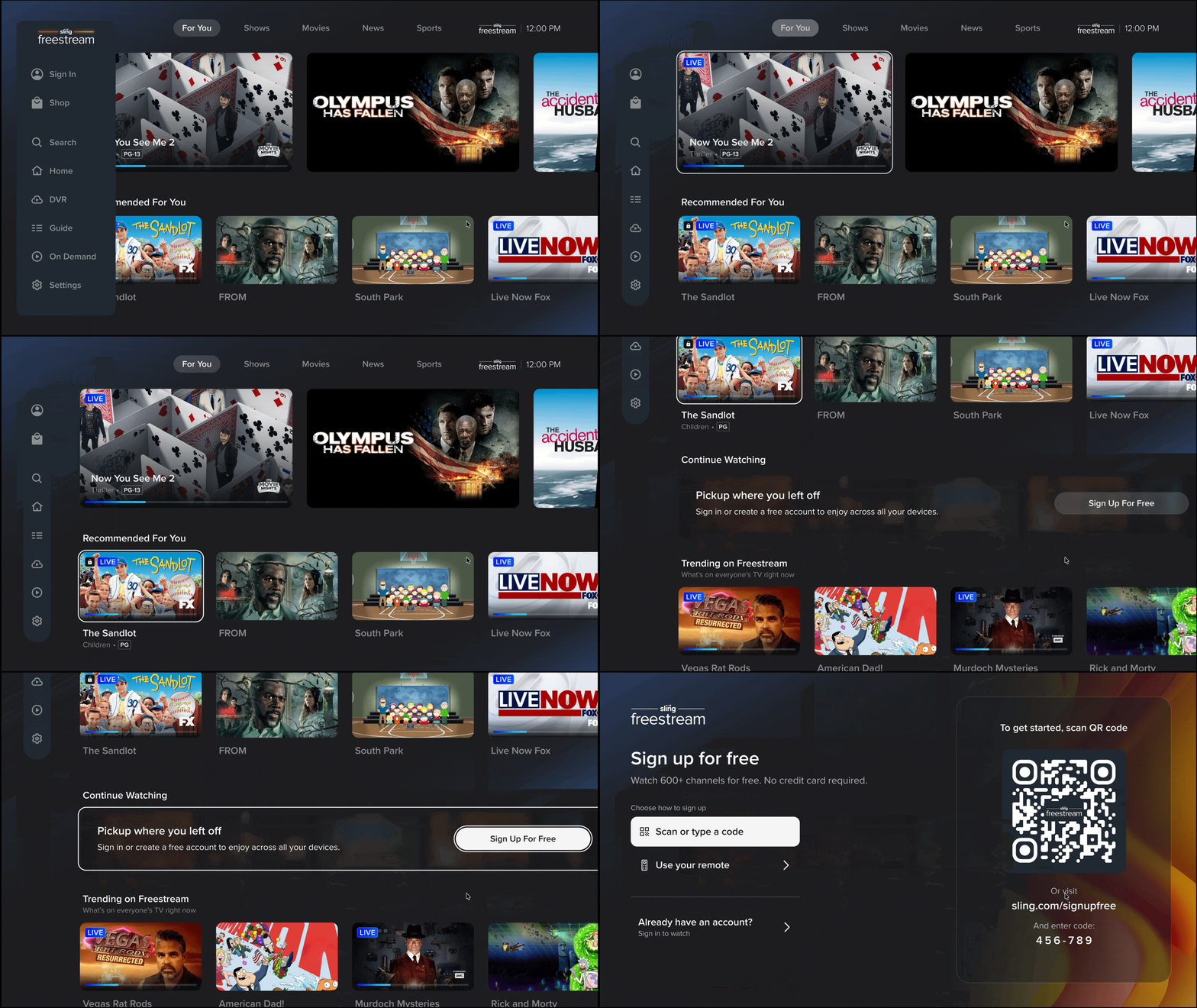
We started by reducing confusion.
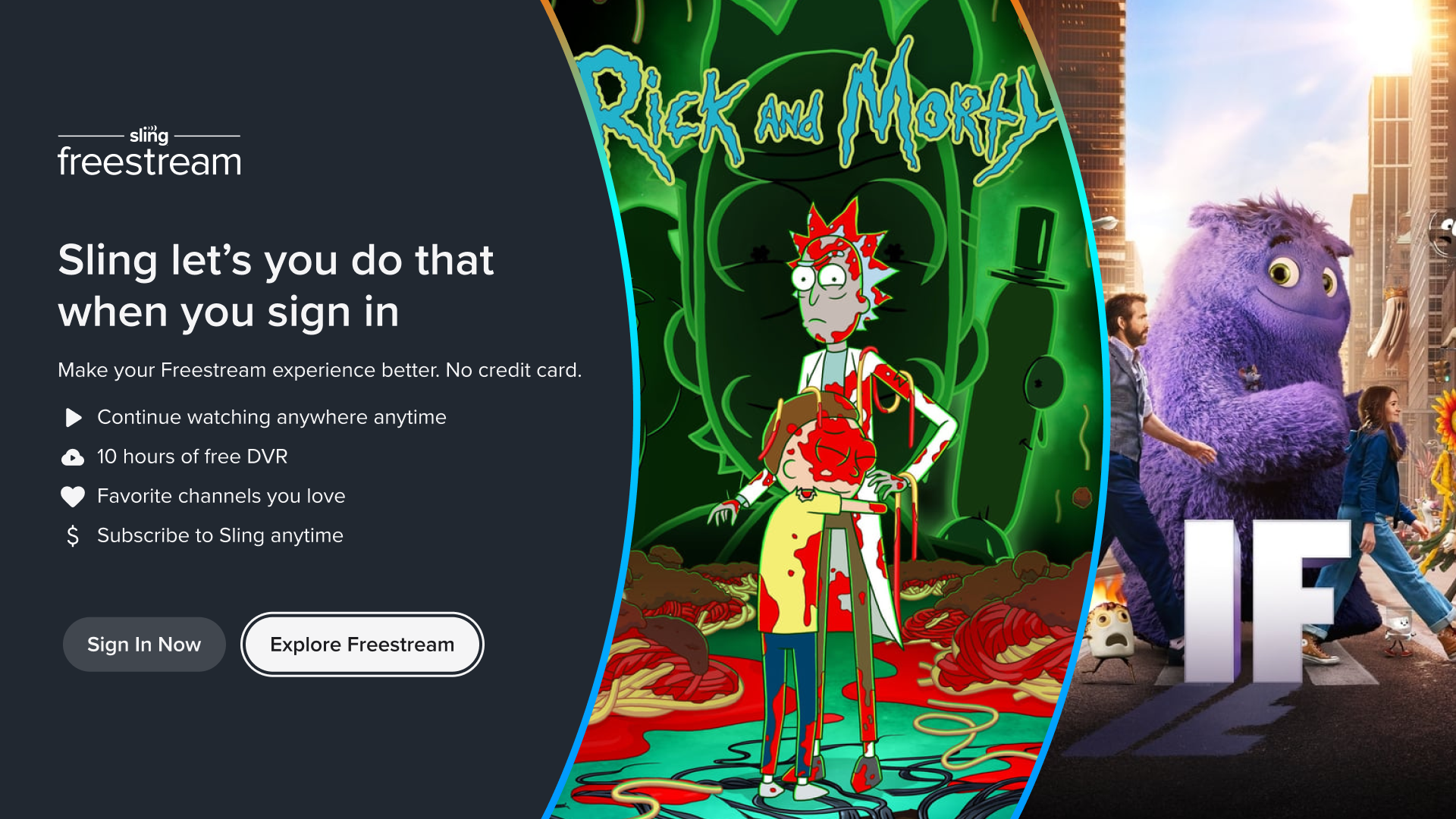
Instead of over-explaining the difference between Freestream and Sling, we made it visible through the experience. Subtle cues like blurred Continue Watching, contextual banners, clearer feature messaging, and smarter entry points helped users understand what they were unlocking by signing in or creating an account.
The product began to teach itself.
And once the product starts explaining itself clearly, users stop hesitating and start moving.
We started by reducing confusion.
Instead of over-explaining the difference between Freestream and Sling, we made it visible through the experience. Subtle cues like blurred Continue Watching, contextual banners, clearer feature messaging, and smarter entry points helped users understand what they were unlocking by signing in or creating an account.
The product began to teach itself.
And once the product starts explaining itself clearly, users stop hesitating and start moving.
We started by reducing confusion.
Instead of over-explaining the difference between Freestream and Sling, we made it visible through the experience. Subtle cues like blurred Continue Watching, contextual banners, clearer feature messaging, and smarter entry points helped users understand what they were unlocking by signing in or creating an account.
The product began to teach itself.
And once the product starts explaining itself clearly, users stop hesitating and start moving.
CONVERSION
CONVERSION
CONVERSION
Turning intent into action
Turning intent into action
Turning intent into action
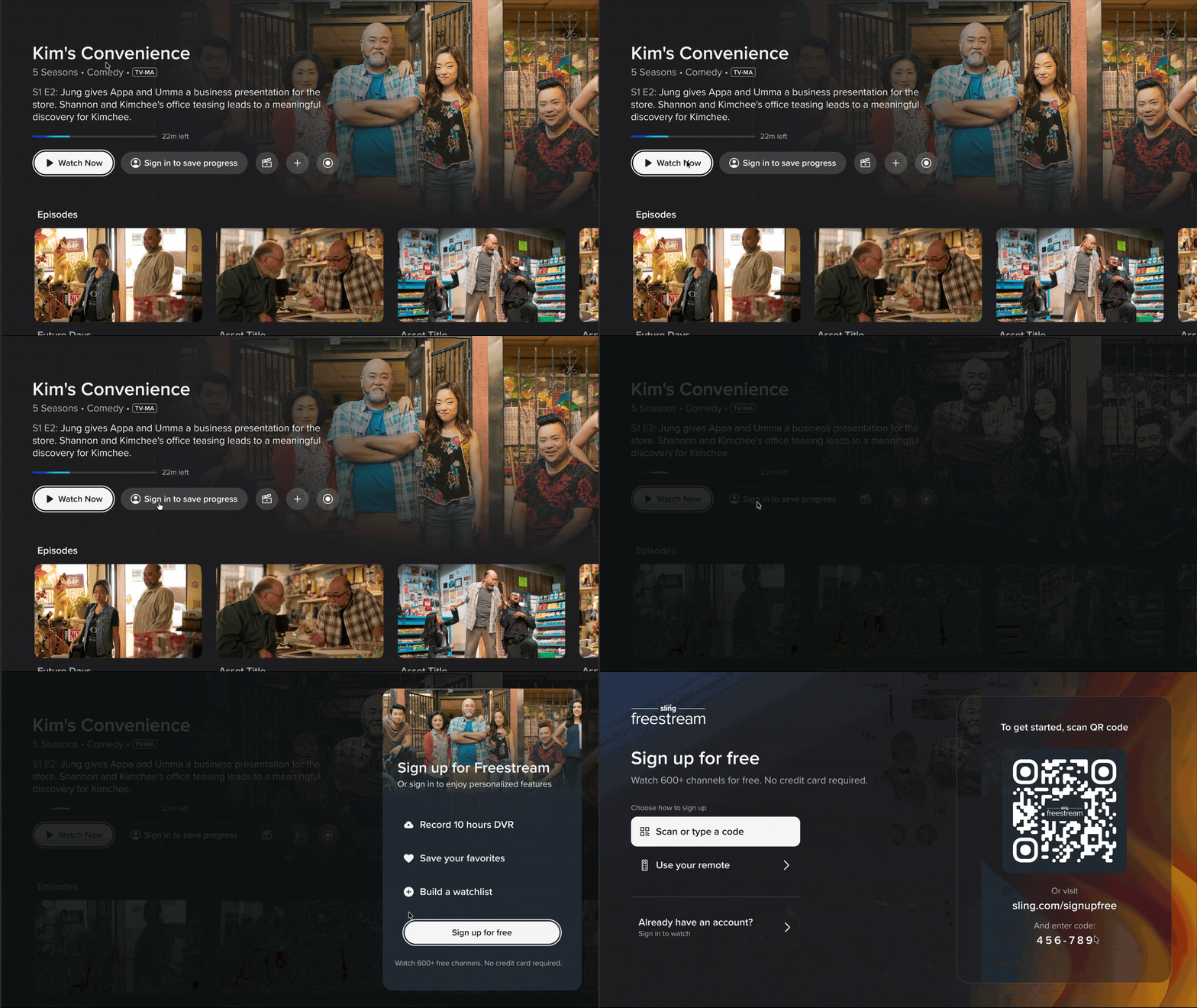
We stopped forcing sign-ups too early.
Users could explore freely, but the moment they tried to do something more meaningful, like saving progress, watchlisting, favoriting, or using DVR, we introduced feature unlocks.
These were not hard stops. They were well-timed nudges.
Once users signed up, we dropped them back into the same moment they came from. No friction. No restart. Just continue.
That shift mattered because intent was already there. Our job was not to create it. It was to catch it at the right moment.
We stopped forcing sign-ups too early.
Users could explore freely, but the moment they tried to do something more meaningful, like saving progress, watchlisting, favoriting, or using DVR, we introduced feature unlocks.
These were not hard stops. They were well-timed nudges.
Once users signed up, we dropped them back into the same moment they came from. No friction. No restart. Just continue.
That shift mattered because intent was already there. Our job was not to create it. It was to catch it at the right moment.
We stopped forcing sign-ups too early.
Users could explore freely, but the moment they tried to do something more meaningful, like saving progress, watchlisting, favoriting, or using DVR, we introduced feature unlocks.
These were not hard stops. They were well-timed nudges.
Once users signed up, we dropped them back into the same moment they came from. No friction. No restart. Just continue.
That shift mattered because intent was already there. Our job was not to create it. It was to catch it at the right moment.
VALUE
VALUE
VALUE
Lower the commitment barrier
Lower the commitment barrier
Lower the commitment barrier
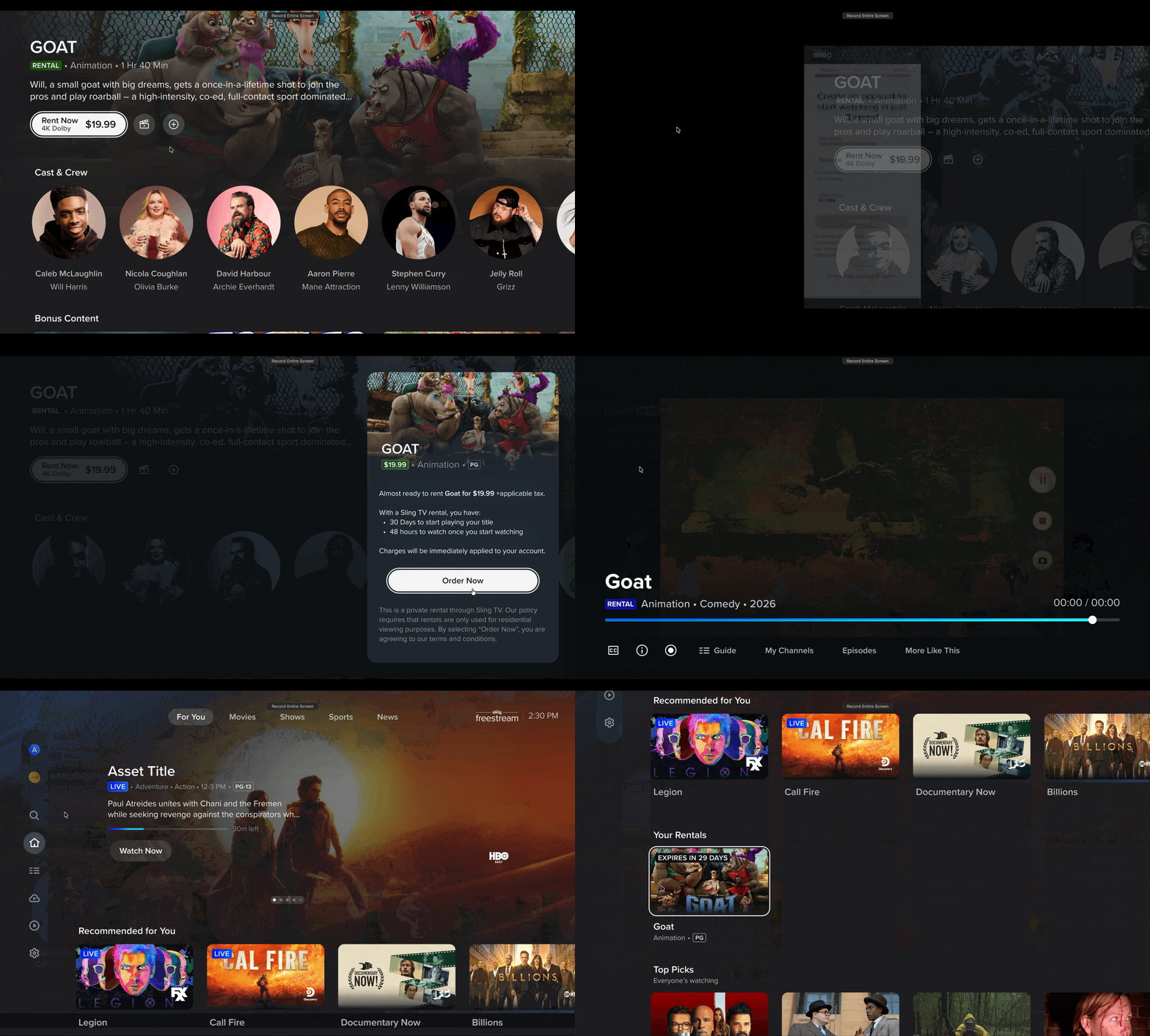
For many users, the barrier was not price. It was commitment.
So we introduced lighter-weight ways to engage with paid value, including one-time purchases (TVOD) and more seamless device-to-web flows for payment setup. Users could rent or buy without fully subscribing, and then return directly to the experience without losing momentum.
No disruption. Just momentum.
This created a softer path from free into paid, especially for users who were interested, but not ready for a subscription decision.
For many users, the barrier was not price. It was commitment.
So we introduced lighter-weight ways to engage with paid value, including one-time purchases (TVOD) and more seamless device-to-web flows for payment setup. Users could rent or buy without fully subscribing, and then return directly to the experience without losing momentum.
No disruption. Just momentum.
This created a softer path from free into paid, especially for users who were interested, but not ready for a subscription decision.
For many users, the barrier was not price. It was commitment.
So we introduced lighter-weight ways to engage with paid value, including one-time purchases (TVOD) and more seamless device-to-web flows for payment setup. Users could rent or buy without fully subscribing, and then return directly to the experience without losing momentum.
No disruption. Just momentum.
This created a softer path from free into paid, especially for users who were interested, but not ready for a subscription decision.
MONETIZATION
MONETIZATION
MONETIZATION
Earn without interrupting
Earn without interrupting
Earn without interrupting
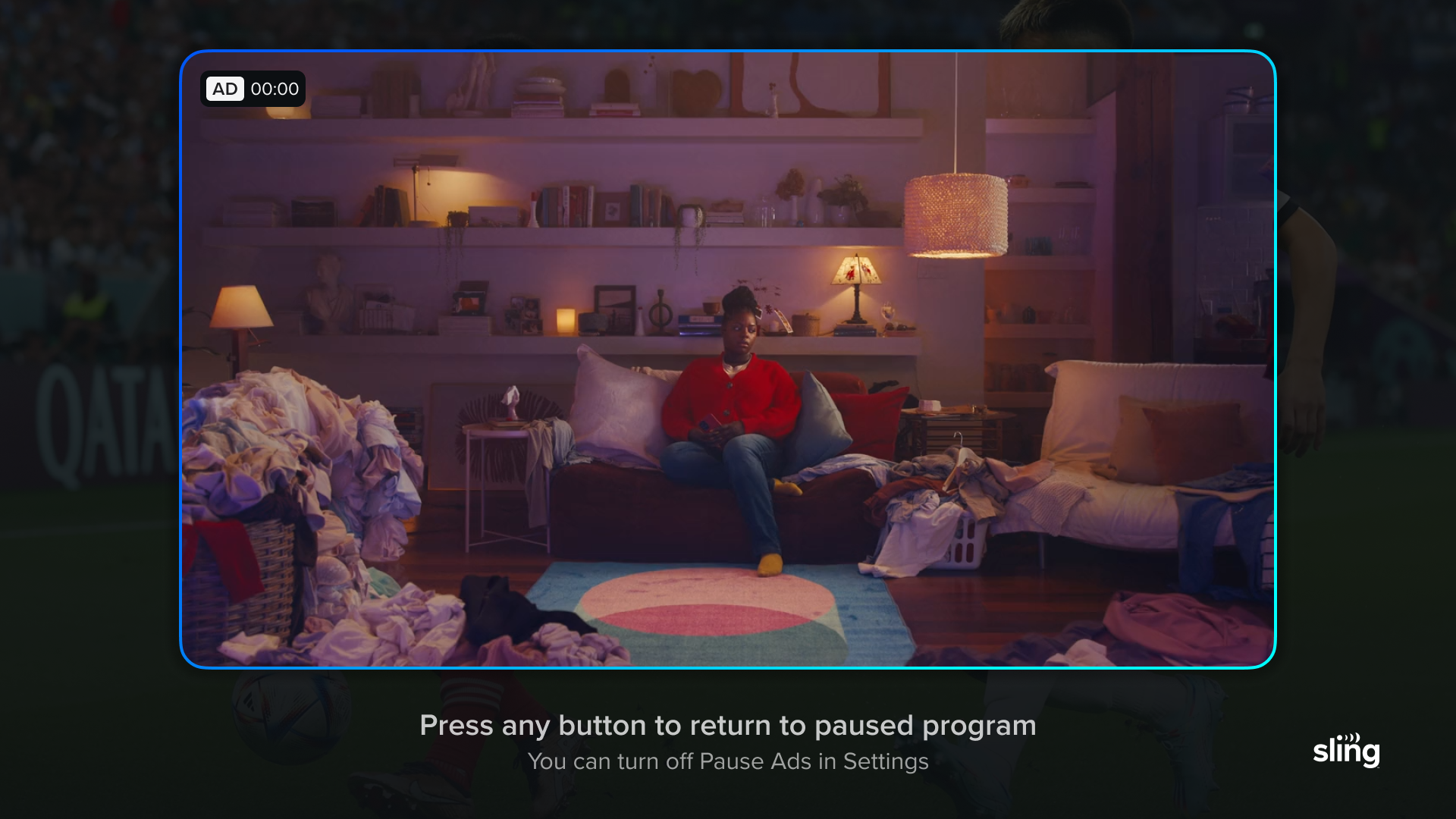
Freestream is ad-supported, but we did not want it to feel like a billboard.
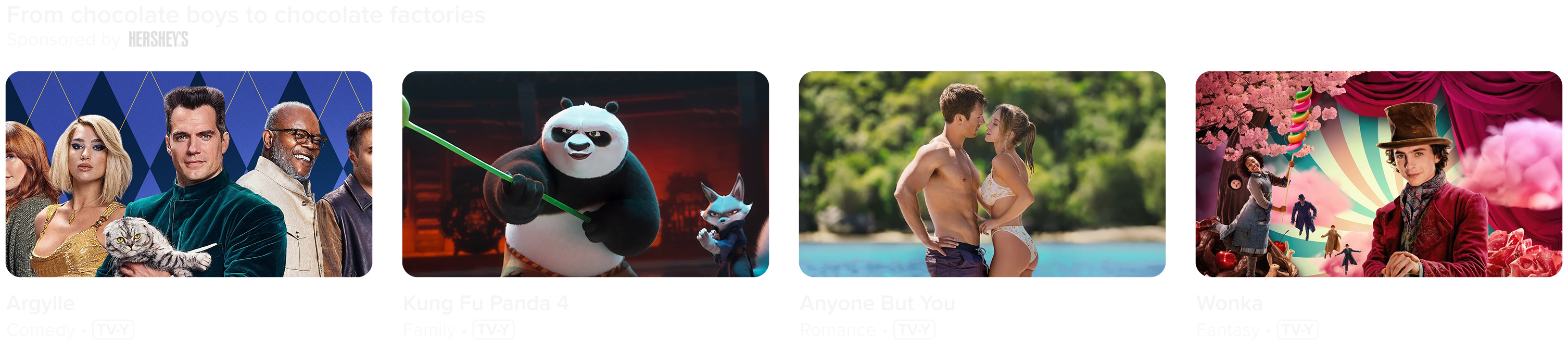
We explored lighter-touch monetization, like sponsored ribbons and contextual ad placements woven into browsing rather than interrupting playback. This gave us ways to monetize even low-intent browsing behavior, including users who never hit play, without overwhelming the experience.
The goal was simple: monetize attention without punishing it.
Freestream is ad-supported, but we did not want it to feel like a billboard.
We explored lighter-touch monetization, like sponsored ribbons and contextual ad placements woven into browsing rather than interrupting playback. This gave us ways to monetize even low-intent browsing behavior, including users who never hit play, without overwhelming the experience.
The goal was simple: monetize attention without punishing it.
Freestream is ad-supported, but we did not want it to feel like a billboard.
We explored lighter-touch monetization, like sponsored ribbons and contextual ad placements woven into browsing rather than interrupting playback. This gave us ways to monetize even low-intent browsing behavior, including users who never hit play, without overwhelming the experience.
The goal was simple: monetize attention without punishing it.
DISCOVERY
DISCOVERY
DISCOVERY
Make the first play happen
Make the first play happen
Make the first play happen
One major drop-off point was the homepage.
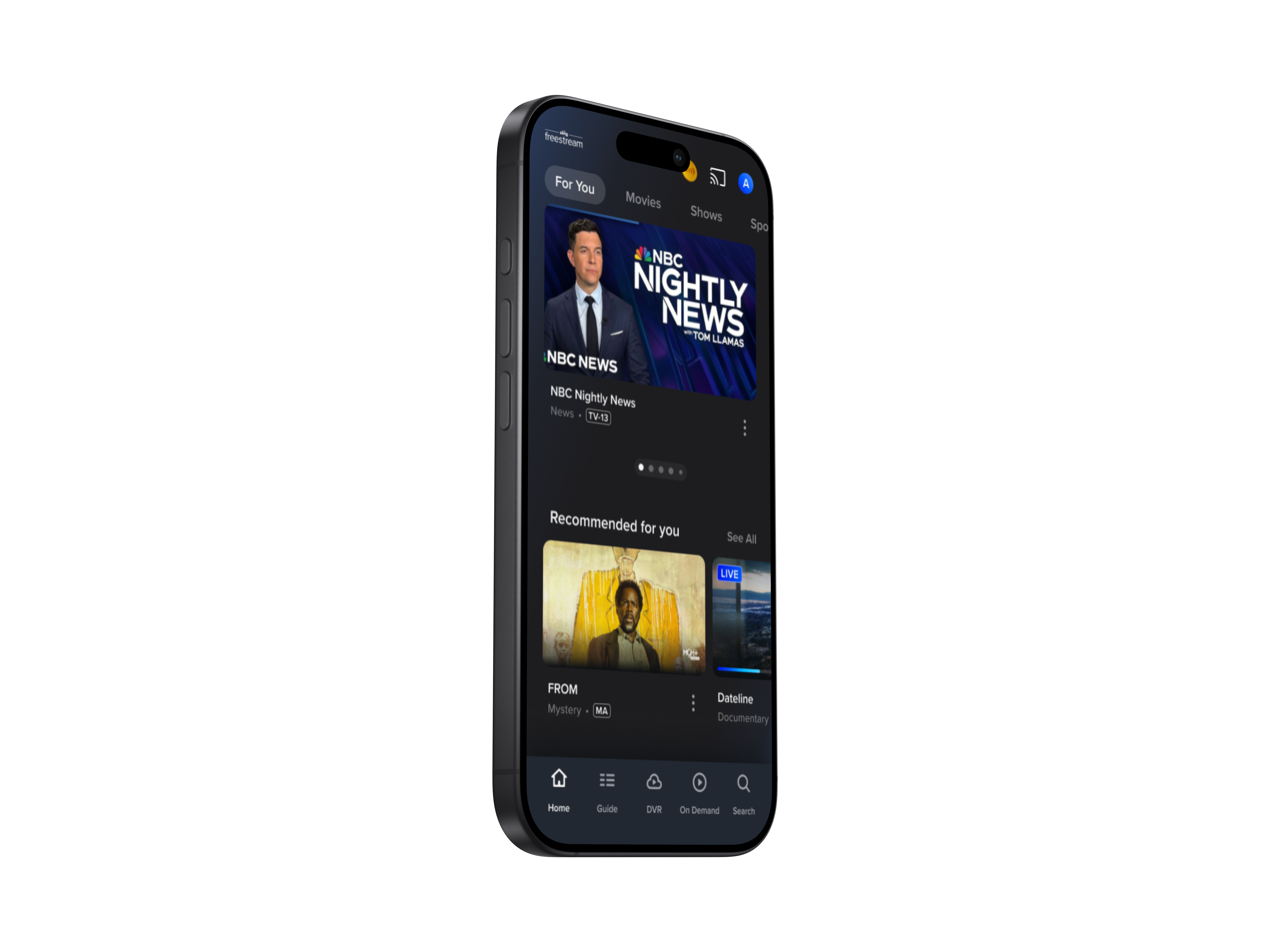
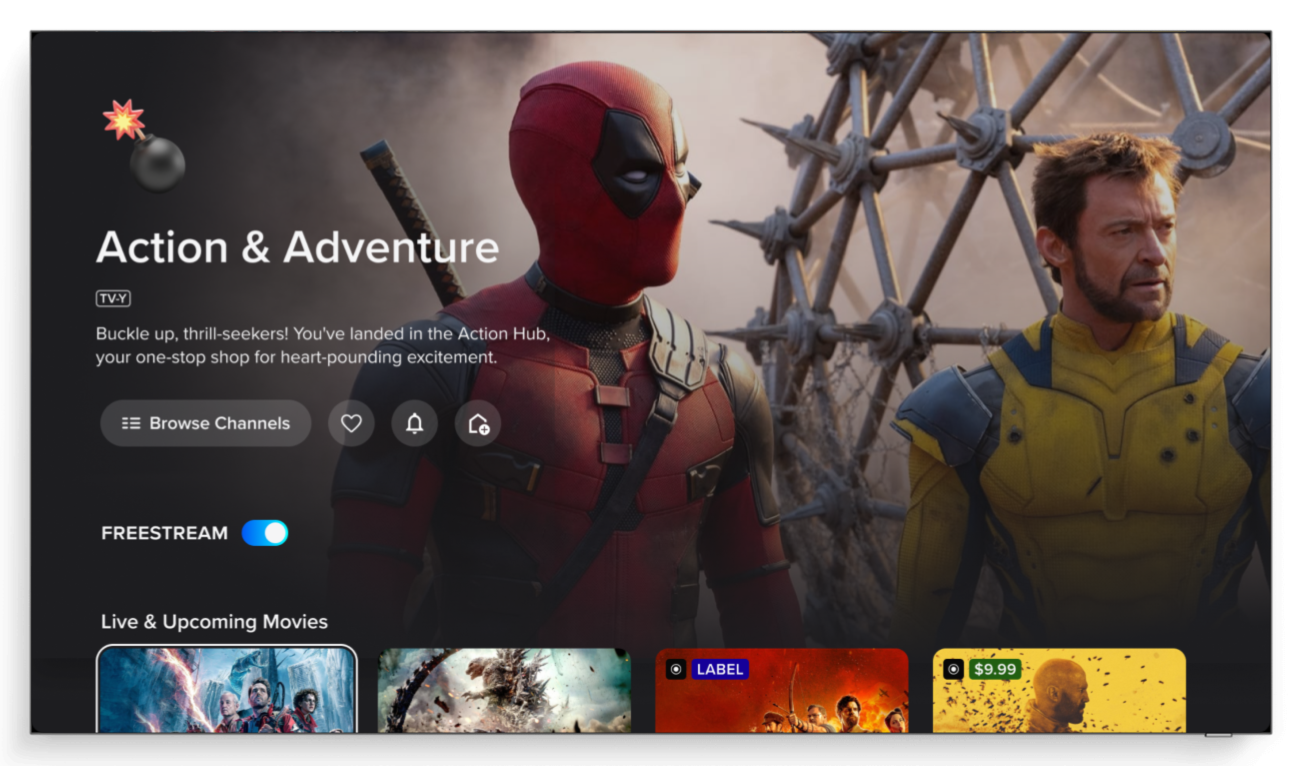
Users were browsing, but not committing. So we improved content discovery through stronger curation, better recommendations, and clearer paths into something worth watching. The goal was not just to show more content. It was to help users find a reason to press play faster.
Because in a free product, the first play changes everything.
Once someone starts watching, the product has a chance to create habit, reveal value, and earn the next action.
One major drop-off point was the homepage.
Users were browsing, but not committing. So we improved content discovery through stronger curation, better recommendations, and clearer paths into something worth watching. The goal was not just to show more content. It was to help users find a reason to press play faster.
Because in a free product, the first play changes everything.
Once someone starts watching, the product has a chance to create habit, reveal value, and earn the next action.
One major drop-off point was the homepage.
Users were browsing, but not committing. So we improved content discovery through stronger curation, better recommendations, and clearer paths into something worth watching. The goal was not just to show more content. It was to help users find a reason to press play faster.
Because in a free product, the first play changes everything.
Once someone starts watching, the product has a chance to create habit, reveal value, and earn the next action.

EXPANSION
EXPANSION
EXPANSION
Open new paths to value
Open new paths to value
Open new paths to value
Freestream also became a gateway to more than just the base Sling product.
We built contextual paths into international content, upgrades, and premium experiences, surfacing them when they were relevant, not just when the business wanted to push them. Search, content ribbons, DVR prompts, and viewing moments became entry points into larger value.
Instead of pushing upgrades, we placed them where intent already existed.
That made monetization feel less like interruption and more like progression.
Freestream also became a gateway to more than just the base Sling product.
We built contextual paths into international content, upgrades, and premium experiences, surfacing them when they were relevant, not just when the business wanted to push them. Search, content ribbons, DVR prompts, and viewing moments became entry points into larger value.
Instead of pushing upgrades, we placed them where intent already existed.
That made monetization feel less like interruption and more like progression.
Freestream also became a gateway to more than just the base Sling product.
We built contextual paths into international content, upgrades, and premium experiences, surfacing them when they were relevant, not just when the business wanted to push them. Search, content ribbons, DVR prompts, and viewing moments became entry points into larger value.
Instead of pushing upgrades, we placed them where intent already existed.
That made monetization feel less like interruption and more like progression.
SYSTEM THINKING
SYSTEM THINKING
SYSTEM THINKING
Design beyond a single screen
Design beyond a single screen
Design beyond a single screen
Users do not stay on one device, so the experience could not either.
We designed for continuity across TV, mobile, and web, making sure watching, saving, upgrading, and purchasing felt connected everywhere. What happened on one screen needed to carry naturally into the next.
Freestream became less of an isolated app experience, and more of a cross-platform system.
That system thinking mattered because growth rarely happens in one tap. It happens across moments.
Users do not stay on one device, so the experience could not either.
We designed for continuity across TV, mobile, and web, making sure watching, saving, upgrading, and purchasing felt connected everywhere. What happened on one screen needed to carry naturally into the next.
Freestream became less of an isolated app experience, and more of a cross-platform system.
That system thinking mattered because growth rarely happens in one tap. It happens across moments.
Users do not stay on one device, so the experience could not either.
We designed for continuity across TV, mobile, and web, making sure watching, saving, upgrading, and purchasing felt connected everywhere. What happened on one screen needed to carry naturally into the next.
Freestream became less of an isolated app experience, and more of a cross-platform system.
That system thinking mattered because growth rarely happens in one tap. It happens across moments.
IMPACT
IMPACT
IMPACT
From free product to growth engine
From free product to growth engine
From free product to growth engine
Over ~1.4 years, Freestream evolved into a product that could drive its own growth.
We helped scale from 80K to 3.5M users, increased customer lifetime value by 4x, and drove 30M+ hours watched monthly.
But more importantly, the product changed behavior.
Freestream stopped being “just free TV.” It became a system that guides users toward value without forcing them there, helping them understand the product, build habit, and take the next step when the moment is right.
Over ~1.4 years, Freestream evolved into a product that could drive its own growth.
We helped scale from 80K to 3.5M users, increased customer lifetime value by 4x, and drove 30M+ hours watched monthly.
But more importantly, the product changed behavior.
Freestream stopped being “just free TV.” It became a system that guides users toward value without forcing them there, helping them understand the product, build habit, and take the next step when the moment is right.
Over ~1.4 years, Freestream evolved into a product that could drive its own growth.
We helped scale from 80K to 3.5M users, increased customer lifetime value by 4x, and drove 30M+ hours watched monthly.
But more importantly, the product changed behavior.
Freestream stopped being “just free TV.” It became a system that guides users toward value without forcing them there, helping them understand the product, build habit, and take the next step when the moment is right.
TAKEAWAYS
TAKEAWAYS
TAKEAWAYS
What this taught me
What this taught me
What this taught me
Free is not the bottom of the funnel.
It is the funnel.
And when you design it well, it does more than acquire users. It educates them, activates them, monetizes them, and grows them over time.
The best free experiences do not just remove cost.
They remove confusion, lower commitment, and make progress feel natural.
That is when free stops being a promo surface and starts becoming a product strategy.
Free is not the bottom of the funnel.
It is the funnel.
And when you design it well, it does more than acquire users. It educates them, activates them, monetizes them, and grows them over time.
The best free experiences do not just remove cost.
They remove confusion, lower commitment, and make progress feel natural.
That is when free stops being a promo surface and starts becoming a product strategy.
Free is not the bottom of the funnel.
It is the funnel.
And when you design it well, it does more than acquire users. It educates them, activates them, monetizes them, and grows them over time.
The best free experiences do not just remove cost.
They remove confusion, lower commitment, and make progress feel natural.
That is when free stops being a promo surface and starts becoming a product strategy.
More Projects
More Projects
More Projects
Looks like you'd like to see more
Looks like you'd like to see more
Looks like you'd like to see more






Are you still watching? Get in touch
© 2026 Saumya Ghai
Are you still watching? Get in touch
© 2026 Saumya Ghai
Are you still watching? Get in touch
© 2026 Saumya Ghai
Are you still watching? Get in touch
© 2026 Saumya Ghai